Ftira

The island cooked before it had a name.

143 Triq San Duminku

Valletta, Malta

Scroll

A Generational Kitchen

Three generations.
One living dough.

Every meal at Ftira begins with a culture that has never been refrigerated, never been restarted, and never left the island. What follows is the story of how it got here.

011952 · Żebbuġ, Gozo

The grandmother had no recipe.

Carmela Farrugia woke before the sun to light the wood-fired oven in the back room of a stone house on the edge of a village nobody outside the island had heard of. She stretched ftira dough the way her mother had taught her — pressing the ring shape with her thumbs, never a rolling pin. The capers came from the wall outside. The olive oil arrived in a tin her husband carried from the Qormi market every Saturday.

Natural yeast passed down three generations — the same culture lives in our kitchen today.
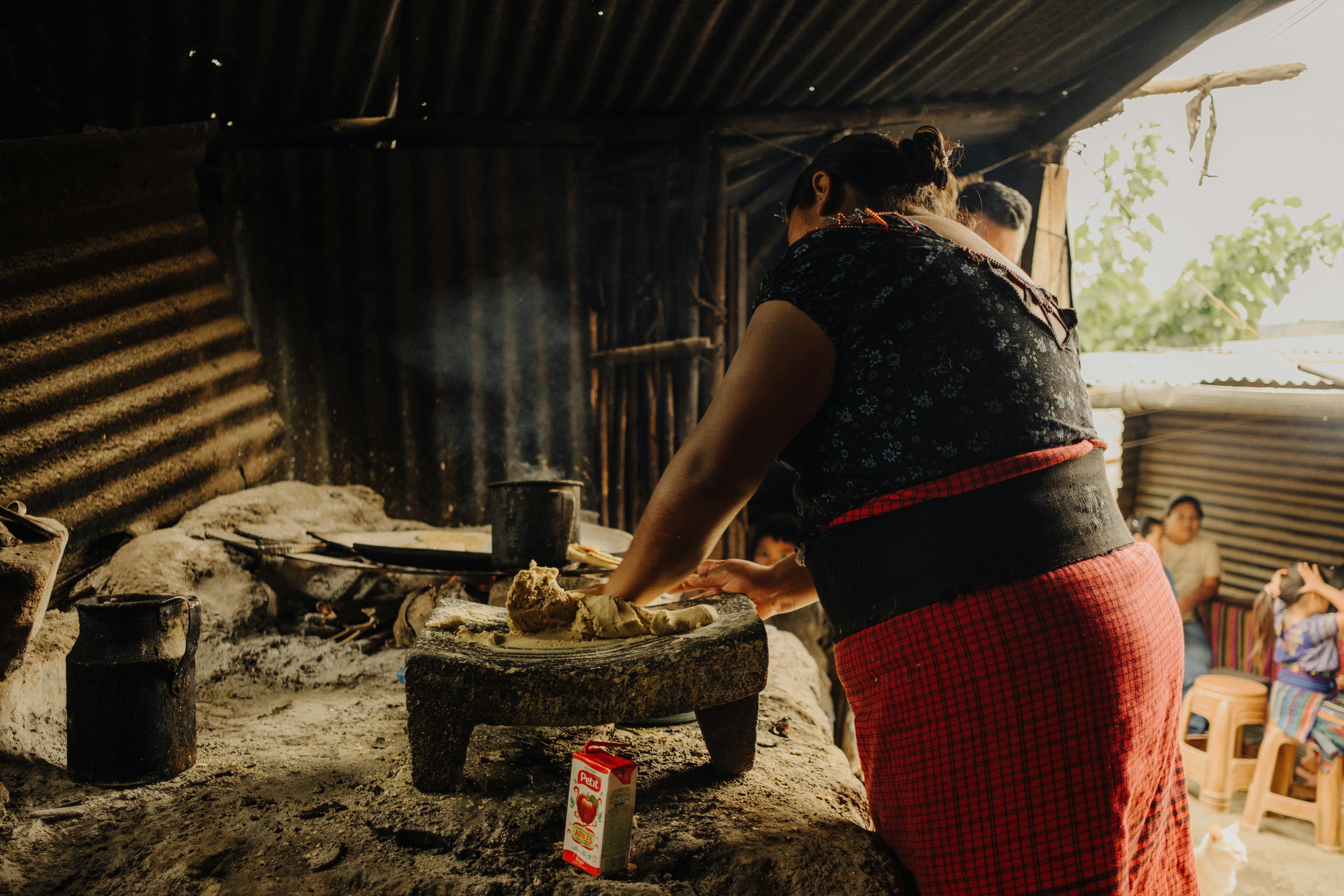
Elderly woman with flour-dusted hands shaping bread dough on a wooden board in a stone kitchen

1952 · Żebbuġ, Gozo

021978 · Valletta Market

Sunday mornings belong to bread.

Her son Ġorġ set up a stall in Valletta's covered market, selling ftira wrapped in brown paper and tied with string. By eight in the morning the bread was gone. He added rabbit braised in red wine the way his mother made it every Sunday — slow, low, with bay leaves from the garden and a bottle of local Marsovin. People stood eating in the street. Nobody minded.

"You taste the whole island in one bite." — Ġorġ Farrugia, 1982 interview, Il-Ħelsien
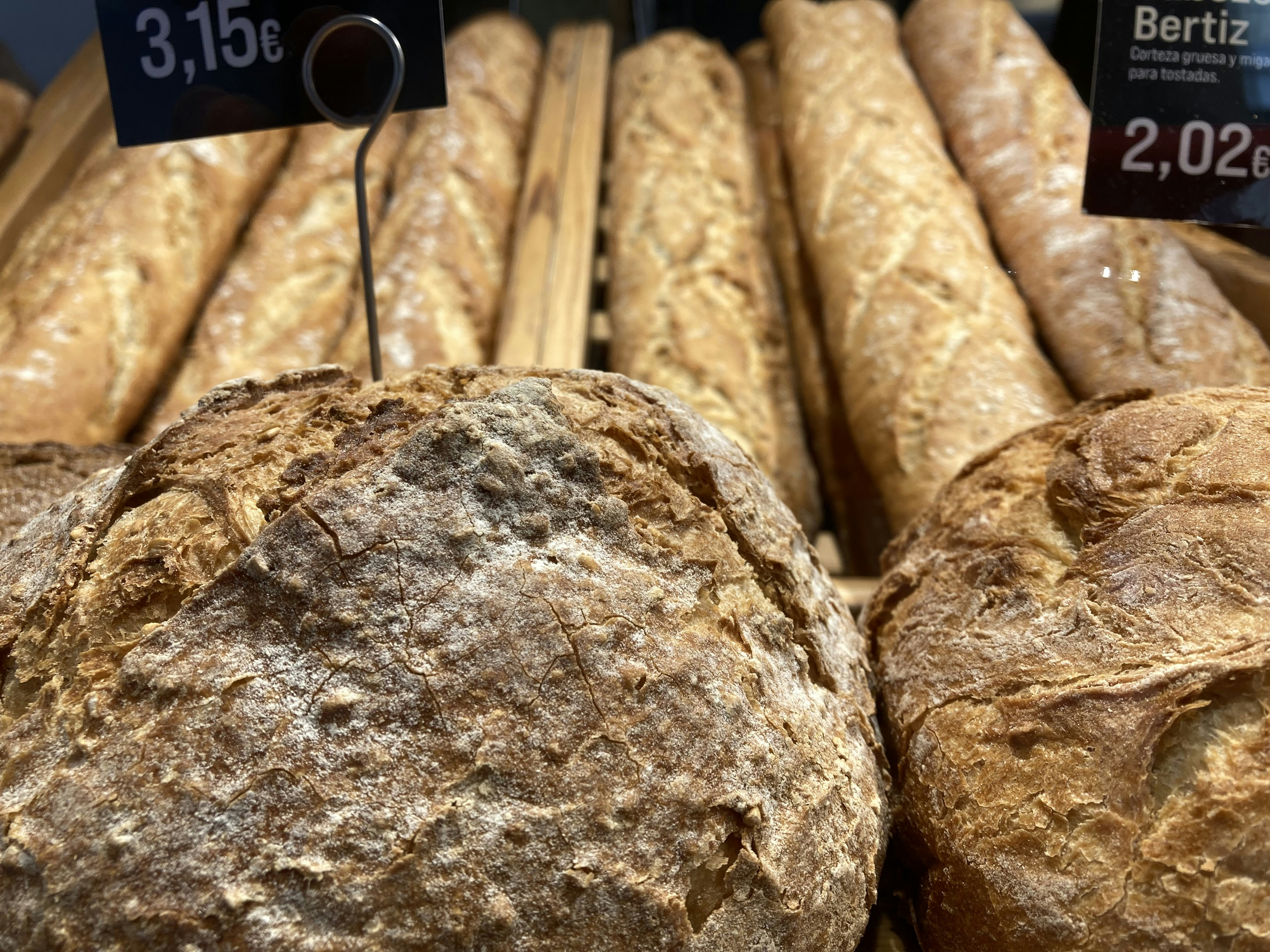
Overhead view of artisan bread loaves with a golden crust on a rustic wooden market table

1978 · Valletta Market

032019 · Triq San Duminku

The door opened. The kitchen stayed.

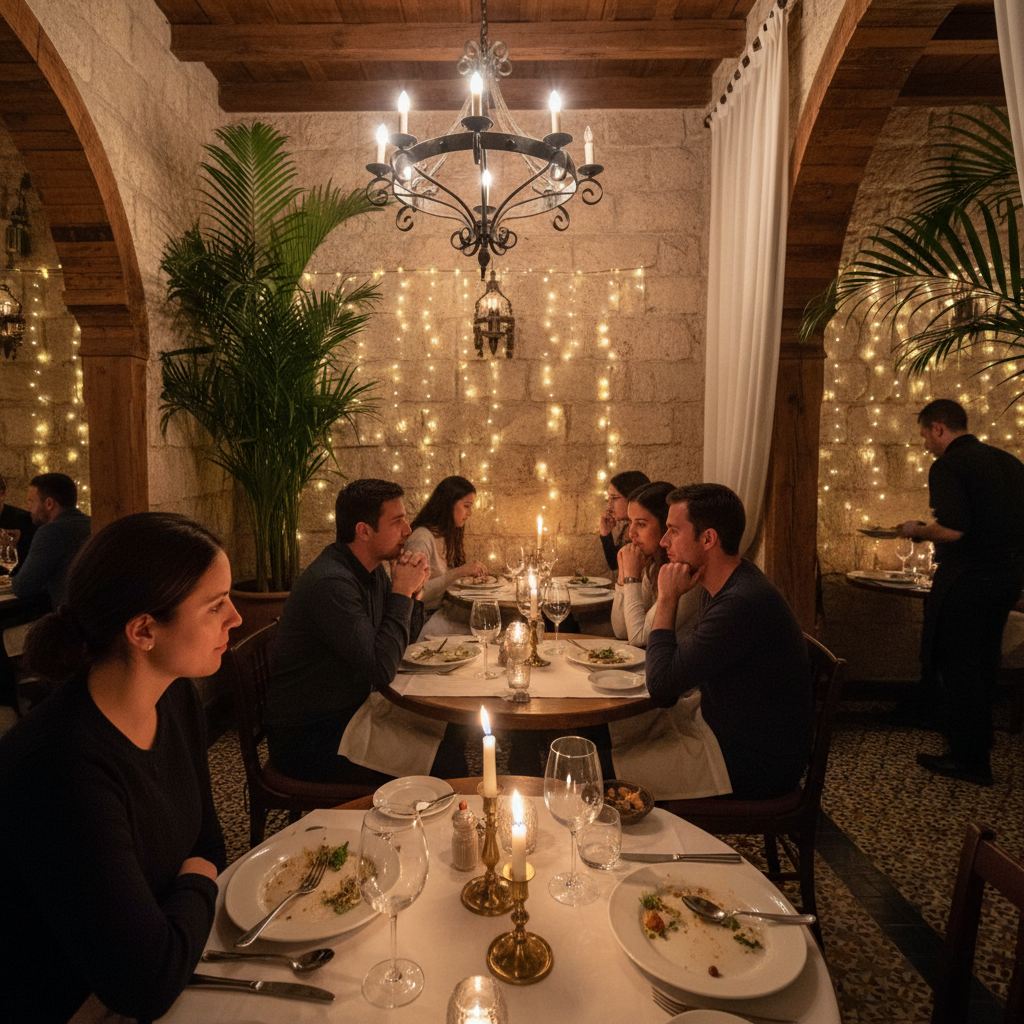
Three generations later, the Farrugia family opened Ftira in a limestone building off a narrow Valletta side street — the kind of street where the walls are close enough to touch both sides at once. The wood-fired oven came from a bakery in Qormi that had been operating since 1901. Carmela's dough culture, kept alive in a ceramic bowl, moved with it. The menu changes with the season. The bread does not.

Ftira was listed on UNESCO's Intangible Cultural Heritage of Humanity in 2021.
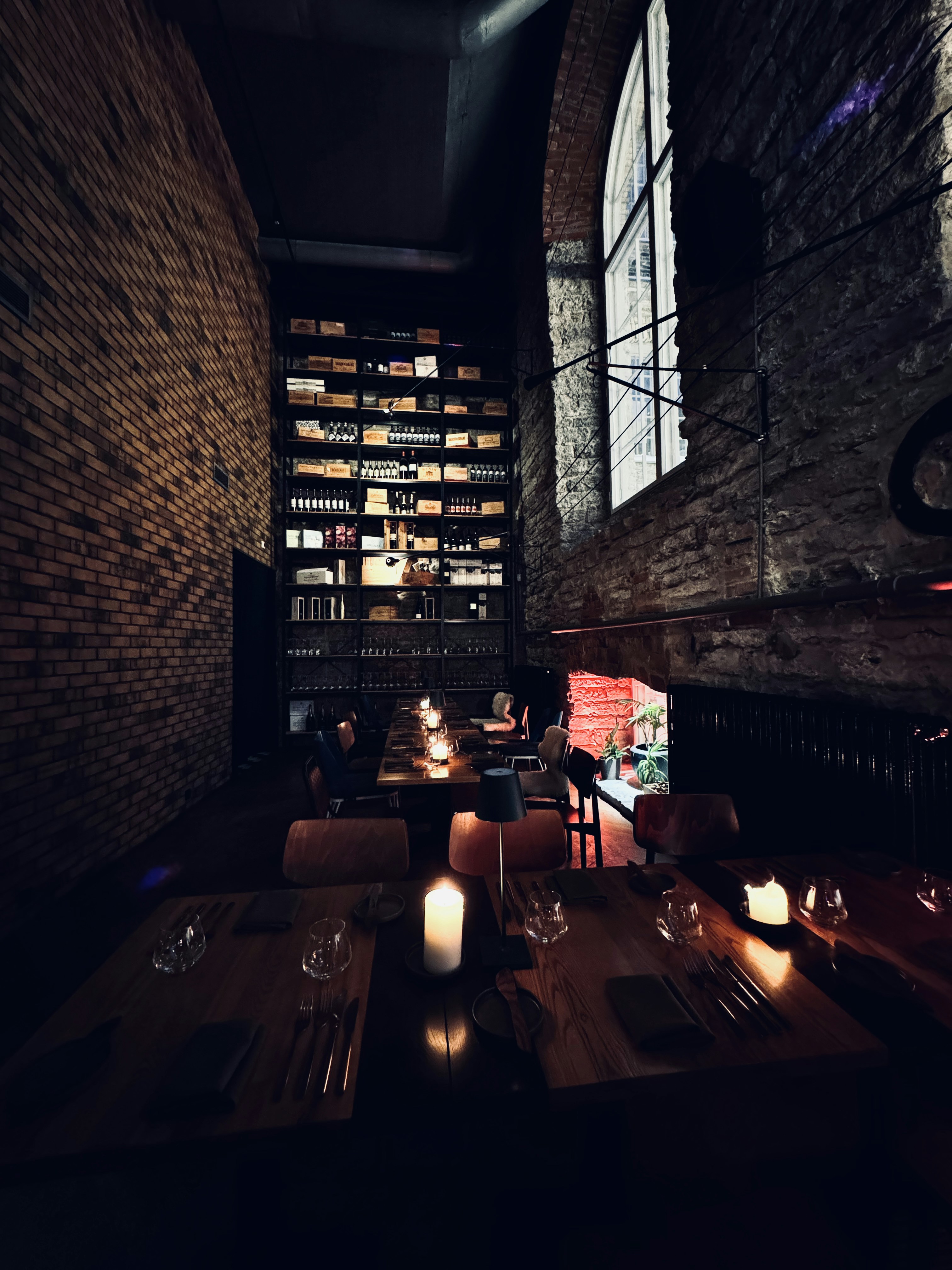
Candlelit fine dining restaurant interior with limestone walls and warm golden lighting

2019 · Triq San Duminku

What They Said

The meal
remembers itself.

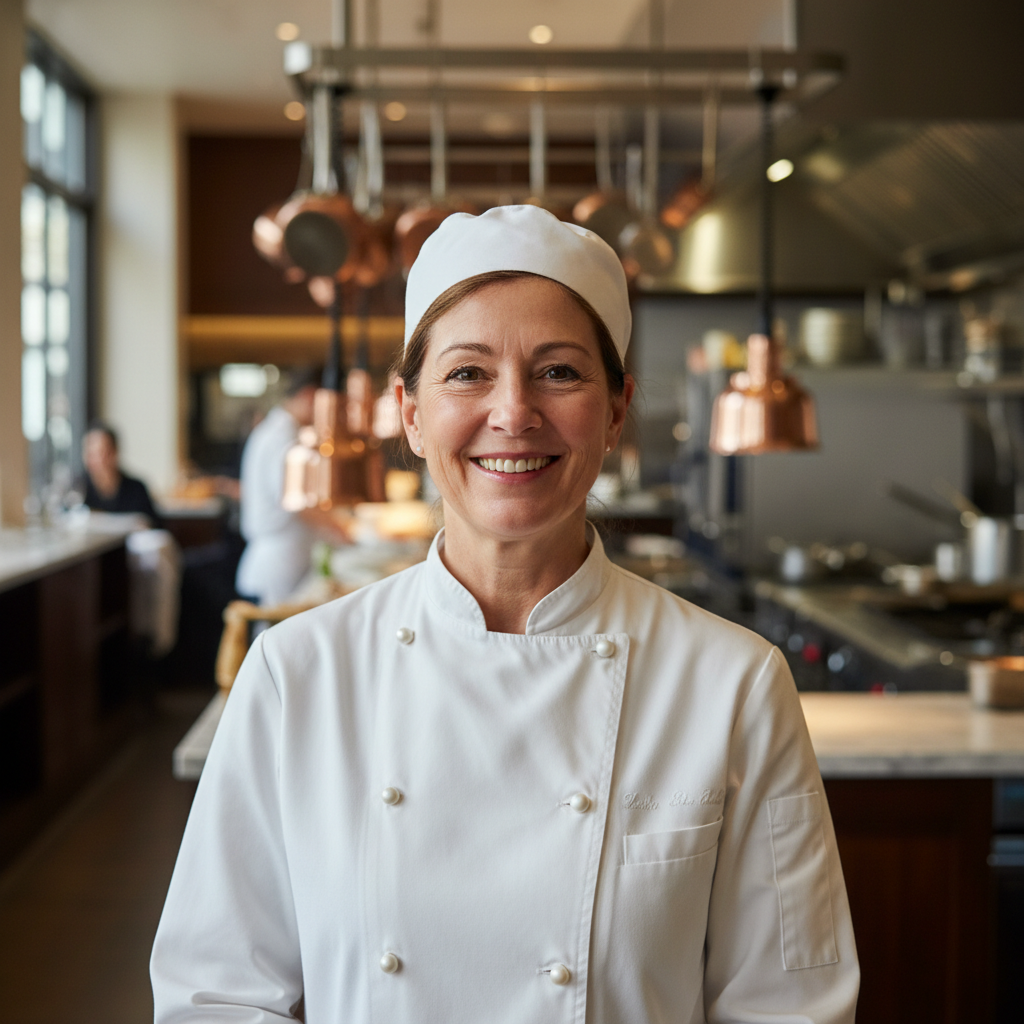
Portrait of Harriet Collingwood, food editor, smiling in a restaurant setting
"The rabbit arrived the way rabbit should — dark, falling apart, with a sauce that tasted like someone had been building it since morning. The ftira is the best bread I've eaten outside a Qormi bakery at six in the morning. This is what Valletta food should be."
Portrait of Harriet Collingwood, food editor, smiling in a restaurant setting

Harriet Collingwood

Senior Food Editor, Condé Nast Traveller

"I send every guest who asks for "somewhere unforgettable" to Ftira. Not one has come back disappointed. The space feels like it has been there since the Knights — and the bread culture has been."
Portrait of Marcus Vella, hotel concierge in formal uniform

Marcus Vella

Head Concierge, The Phoenicia Hotel, Valletta

"We've eaten in forty countries this year. My partner said it at the table: this is the meal we'll still be talking about in ten years. The imqaret alone was worth the flight."
Couple dining at a candlelit restaurant table with wine glasses and plates of food

Priya & Daniel Nakamura

Travel writers, The Slow Road

As featured in

Condé Nast TravellerThe GuardianSaveurFood & Wine
Valletta · Malta

The kitchen
has been ready
since dawn.

Dinner is served Tuesday through Sunday, from half past seven. Tables for two to eight. No tasting menu — just the food Carmela would have made, cooked by the people who learned it from her.

Tue – Sun19:30 – 23:00143 Triq San Duminku, Valletta